Days 1 & 2 - Ushuaia, Argentina / Embaaarkation
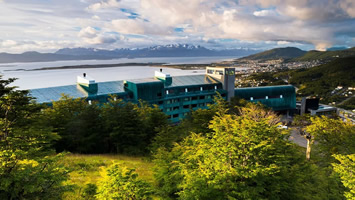
Your journey begins in Ushuaia, Argentina, at the southern tip of South America. Here, we board our expedition ship and sail through the Beagle Channel, officially beginning our journey toward Antarctica. You will meet your trip leader for a trip introduction, have some drinks together and enjoy your first meal in the hotel restaurant before we embark on our journey down to the bottom of the earth.
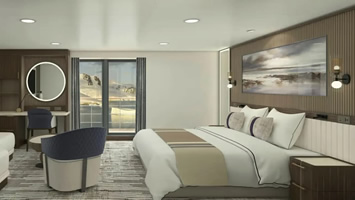
The next day, as we embark onto the ship and leave South America behind, the scenery of Patagonia fades into the distance and the feeling of true adventure begins to set in. This first evening on board is a chance to settle into your cabin, meet your fellow travelers, and prepare for the journey south.
Days 3 & 4 - Crossing the Drake Passage
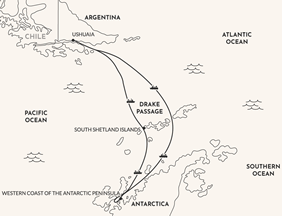
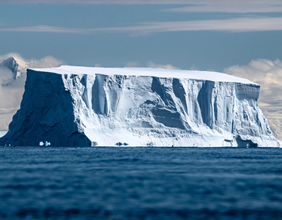
We spend the next two days crossing the Drake Passage, one of the most famous stretches of ocean in the world. While at sea, the expedition team will begin a series of presentations and lectures on Antarctic wildlife, history, geology, and exploration. Spend time on deck watching for seabirds such as albatross and petrels, and keep an eye out for whales as we make our way south. As we cross the Antarctic Convergence, the temperature drops, the water changes, and the first icebergs begin to appear, a moment that signals you are truly entering Antarctica.
Days 5, 6, 7 & 8 - Exploring Antarctica
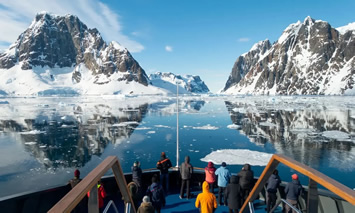
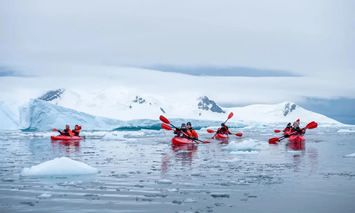
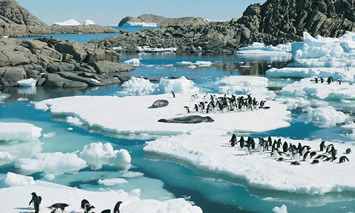
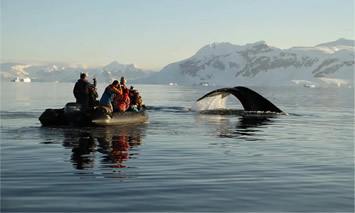
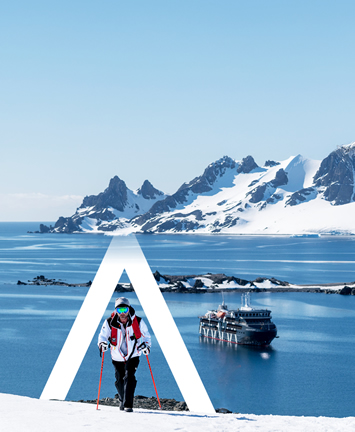
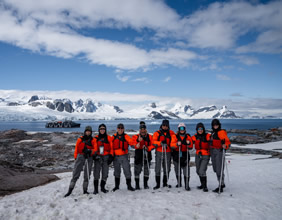
Over the next several days, we explore Antarctica itself, cruising between the South Shetland Islands and the western coast of the Antarctic Peninsula. This is where the expedition becomes truly extraordinary. Each day, we board Zodiac boats and go ashore to explore glaciers, snow-covered landscapes, and wildlife colonies up close. You may find yourself standing among hundreds of penguins, watching seals resting on floating ice, or seeing whales surface in the distance.
Because this is an expedition, the exact route is flexible and depends on weather, wildlife activity, and ice conditions. The expedition team designs each day to take advantage of the best opportunities available, meaning every voyage is unique. Possible landing sites may include locations such as Paradise Bay, Deception Island, Petermann Island, the Lemaire Channel, and other remarkable places throughout the Antarctic Peninsula. Expect multiple landings and Zodiac cruises, incredible scenery, and a very active and immersive experience.
Days 9 & 10 - Return Across the Drake Passage
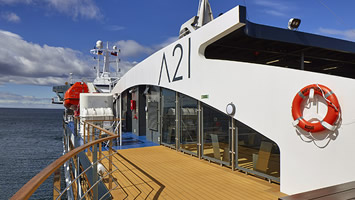
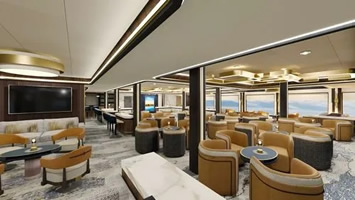
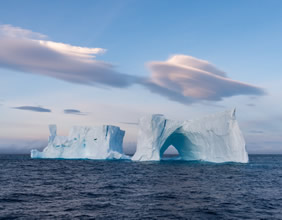
We begin our journey back to South America, once again crossing the Drake Passage. These days are a time to reflect on the journey, review photos, attend final presentations, and continue watching for wildlife from the observation decks and lounge as we make our way north.
Day 11 - Ushuaia, Argentina / Disembarkation
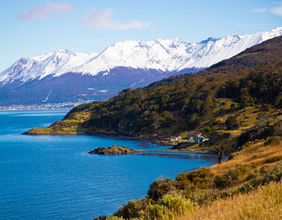
We arrive back in Ushuaia in the morning, where the expedition comes to an end. Antarctica is one of those places that stays with you long after you leave, and for many travelers, this journey becomes one of the most memorable travel experiences of their lives.
Trip Notes
Arrival & Departure
Your journey begins in Ushuaia, Argentina (USH) — the southernmost city in the world, at the very tip of South America. Most international travelers reach Ushuaia via Buenos Aires (EZE international airport, with a transfer to the domestic Aeroparque AEP for the connecting flight south).
The expedition concludes back in Ushuaia after your return Drake crossing. Your Trip Leader will coordinate your transfer to USH airport for your onward flight.
Visa requirements for Argentina are minimal for most travelers. US, Canadian, EU, UK, and Australian passport holders enter visa-free for tourism. We'll confirm specifics for your nationality before the trip.
Climate
Late March and early April is one of the most distinctive windows of the entire Antarctic season which is late austral summer and the very early edge of autumn. The light is dramatic, sea ice is just beginning to form again, and the season's wildlife dynamics shift in interesting ways.
Air temperatures during your expedition will typically range from the 20s to 40s°F (-5°C to 5°C), with wind chill making it feel considerably colder during Zodiac landings and on deck. The air is dry and crisp; the cold is the kind that's manageable with good layering rather than the wet, bone-deep chill of a North American winter.
What this season offers specifically:
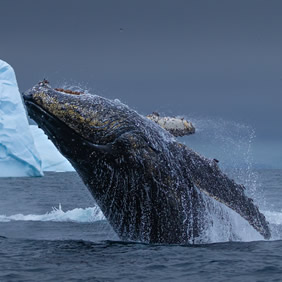
• Whale activity at its peak. Late March and early April are the best window of the entire season for whale watching. Humpbacks have been feeding all summer and are at their most active before they begin migrating north. Sightings are frequent and often close to the ship.
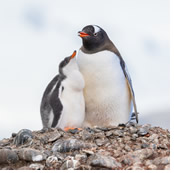
• Mature penguin colonies. Chicks have fledged and are full-sized; colonies are settling into their pre-winter rhythm.
• Dramatic light. With the autumn equinox just behind us, sunrise and sunset return to the day, producing extraordinary golden-hour and blue-hour photography that the high-summer expeditions miss entirely (the sun barely sets in late December).
• Forming sea ice. The first new ice of the next winter is beginning to form, often producing remarkable scenery and ice conditions.
Conditions can change quickly, and that's part of the experience. The expedition team monitors weather constantly and adjusts daily plans to maximize what's possible.
The Drake Passage
The Drake Passage, a 600-mile stretch of open ocean between Cape Horn and the Antarctic Peninsula, is one of the most legendary stretches of water in the world, and the crossing is part of what makes this expedition feel like a true expedition. It can be smooth (Drake Lake) or properly rough (Drake Shake), and most crossings sit somewhere between.
If you're prone to motion sickness, prepare in advance. Scopolamine patches (prescription, applied behind the ear) are the gold standard and worth requesting from your physician before the trip. Over-the-counter options like Bonine, Dramamine, or Sea-Bands work for many travelers. The ship's medical team can provide additional support if needed.
Most travelers find that even rough crossings settle within a day, and the Drake itself is part of how Antarctica earns its sense of arrival.
People and LGBTQ+ Friendliness
Argentina is one of the most progressive countries in Latin America for LGBTQ+ travelers. It became the first nation in Latin America (and the tenth in the world) to legalize same-sex marriage in 2010, and Buenos Aires has one of the most established and visible queer scenes on the continent. Ushuaia, while small, is unfailingly welcoming.
On the ship itself, the environment is professional, international, and inclusive. Expedition cruising attracts a particular kind of traveler - curious, well-traveled, drawn to wild places - and the dynamic onboard reflects that. Crew and expedition team are uniformly excellent, with a shared focus on exploration, discovery, and respect for both fellow travelers and the natural environment.
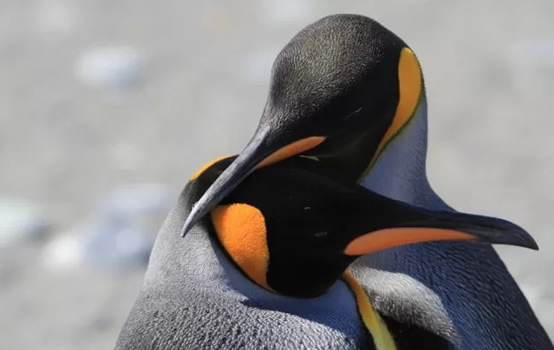
And as for the locals: Antarctica has a long, well-documented history of same-sex penguin pairs raising chicks together. You'll be in good company on shore.
Meals
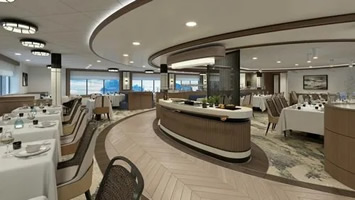
All meals are included onboard the ship. Daily breakfast, lunch, and three-course dinners served in the dining room with the windows looking onto the Antarctic landscape. Wine, beer, and soft drinks accompany lunch and dinner; coffee, tea, and snacks are available throughout the day. The galley menu changes daily and accommodates dietary preferences with advance notice.
In Ushuaia, breakfast is included at the Arakur, and the hotel's restaurant is excellent if you'd like to dine there. The views over the Beagle Channel are remarkable. The town itself has good restaurants if you've arrived early; your Trip Leader will offer recommendations.
If you have specific dietary requirements, let us know well in advance. The ship provisions for the entire voyage in Ushuaia, and adjustments need lead time.
Money / Tipping
Most expenses are included once you're onboard. Bar drinks (cocktails, premium wine and spirits beyond what's served at meals), spa treatments, and items from the small ship boutique are charged to your onboard account, settled at the end of the voyage. Major credit cards are accepted onboard.
In Ushuaia and Buenos Aires, US Dollars and Argentine Pesos are both useful. Argentina's currency moves significantly with inflation and exchange-rate volatility, but credit cards are widely accepted in tourism contexts and ATMs are reliable at airports and in cities. We'll send up-to-date currency guidance closer to your departure.
Gratuities for the expedition team and ship crew are at your discretion at the end of the voyage. Industry-standard guidance for expedition cruises is roughly US $15–20 per guest per day for the crew (collected as a single shipboard gratuity and distributed across the team), with additional discretion for the expedition team if you'd like to recognize them separately. Many travelers add to this for exceptional service.
Tipping guidance for your Trip Leader will be included in your pre-departure materials.
Your Group
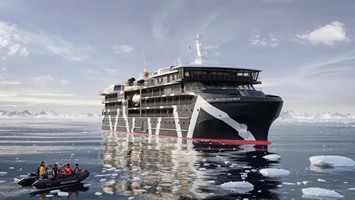
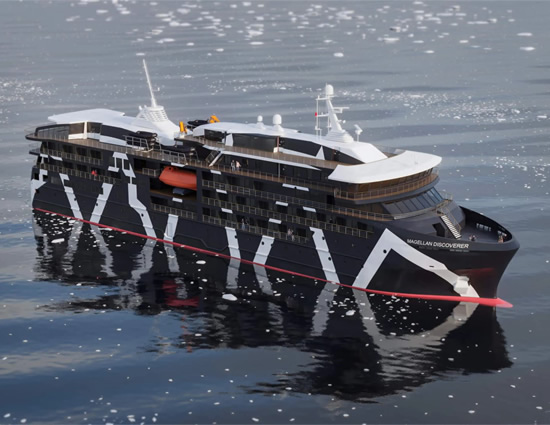
The Magellan Discoverer carries no more than 96 guests in total, a deliberately small number that allows the ship to land all guests at most sites in a single Zodiac rotation (large ships have to cycle guests in groups, which significantly reduces time ashore). The Mawari group within that is capped at 16 travelers, giving us our own dynamic onboard while we share the ship and expedition with a small international group of fellow guests.
Expedition cruising attracts a particular kind of traveler, curious, well-traveled, drawn to wild and remote places. The conversations onboard are some of the most interesting you'll have on any our trip. Your group will dine together, share Zodiacs where possible, and develop the close dynamic these trips are known for; you'll also have plenty of opportunity to connect with other guests onboard.
Solo Travelers
Solo travelers do well on this expedition. The shared rhythm of landings, meals, lectures, and observation-deck conversations creates connection naturally, and the ship itself fosters easy interaction.
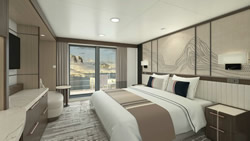
The trip is structured so you can participate fully or take quiet time alone. Cabins are private and comfortable, the ship has multiple lounges, and the observation decks are perfect for solo time with the landscape.
Travel Insurance
This is the one of trip where comprehensive travel insurance is non-negotiable — and the expedition operator will require proof of coverage before you embark.
You'll need at minimum:
• Trip cancellation and interruption coverage for the full value of the voyage
• Emergency medical coverage with high limits
• Emergency medical evacuation coverage of at least US $500,000, specifically including evacuation from Antarctica
Antarctic medical evacuation is logistically and financially extraordinary — those figures are real. Standard travel insurance often excludes the Antarctic region entirely or caps coverage well below the required limit. Specialist providers (World Nomads, IMG, Allianz Premier, GeoBlue, and others) write policies that meet expedition requirements; we'll send specific guidance well before the trip.
Staying Connected
A premium internet voucher is included with your voyage, but expectations should stay calibrated to where you are. Antarctica is one of the most remote regions on Earth, and connectivity depends on satellite coverage that varies with location and weather.
In Ushuaia and Buenos Aires, connectivity is excellent. An Argentine SIM, eSIM (Airalo and others have Argentina plans), or international roaming covers your time on land.
A practical reality and a gentle suggestion: Antarctica is one of the few places in the world where actually disconnecting is possible. Most travelers find this becomes one of the unexpected gifts of the trip. Setting expectations with anyone back home before you board is worth doing.
|